
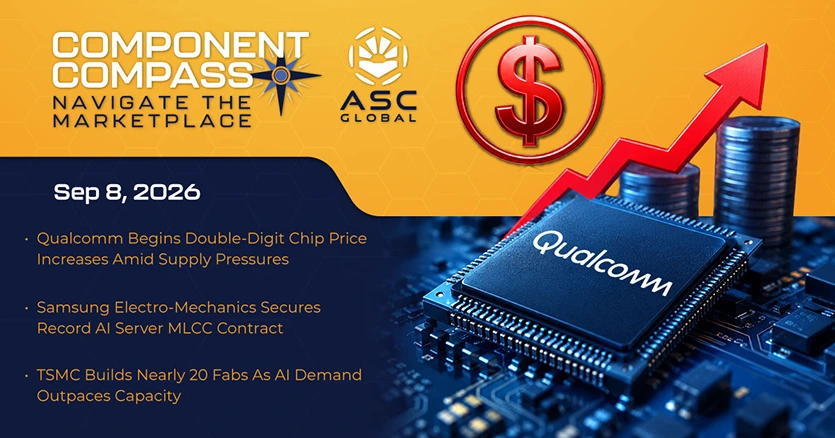
Qualcomm Begins Double-Digit Chip Price Increases Amid Supply Pressures
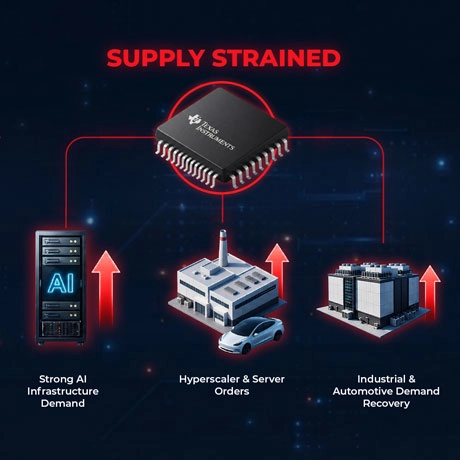
Qualcomm has begun implementing double-digit price increases on certain chips shipped from September 1, citing rising supplier and manufacturing costs it can no longer fully absorb. The adjustment affects multiple product lines, including Snapdragon processors and modems, adding pressure to device manufacturers already facing higher memory and component costs. The move demonstrates how semiconductor supply-chain inflation is increasingly flowing downstream toward electronics manufacturers and customers.

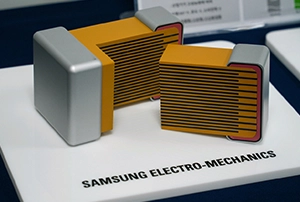
Samsung Electro-Mechanics Secures Record AI Server MLCC Contract
Samsung Electro-Mechanics secured a record 1.07 trillion won contract to supply MLCCs for AI servers to a major global customer throughout 2027. The deal lifts its disclosed long-term agreements to 3.32 trillion won. AI servers use more than 10 times the MLCCs of conventional servers, driving demand for high-reliability components. Samsung is expanding production in the Philippines and Korea to support surging AI-related demand.
TSMC Builds Nearly 20 Fabs As AI Demand Outpaces Capacity
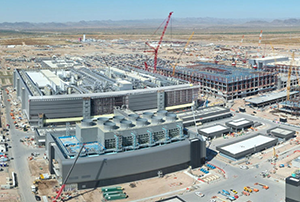
TSMC’s equipment requirements have surged 90% in just six months as AI-driven semiconductor demand accelerates at an unprecedented pace. The company is now building nearly 20 fabs worldwide, 13 in Taiwan and five to six overseas—to address capacity shortages. Despite this massive expansion, customers continue reporting insufficient capacity, highlighting constraints across equipment, construction, labor, packaging, testing, and the broader semiconductor supply chain.

China Pauses New Battery Storage Factory Approvals Amid Oversupply
China has temporarily halted approvals for new battery storage manufacturing projects, highlighting concerns surrounding rapid capacity expansion in the world’s leading energy-storage battery manufacturing base. The pause could slow new factory investments and reshape global supply dynamics for battery cells and energy-storage systems. With China already dominating production, tighter project approvals may signal efforts to manage capacity and stabilize the industry.
SK hynix advances 1c DRAM production for next-generation HBM4E
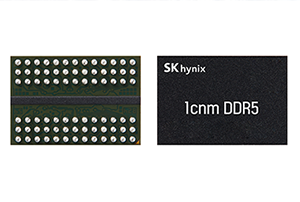
SK hynix is rapidly expanding advanced 1c DRAM production as it prepares for HBM4E mass production in 2027. The company expects 1c to reach 35% of DRAM output in Q1 2027, overtaking 1b as its main process. The transition could improve wafer productivity, cost efficiency, and support rising AI memory demand, although successful yields and customer qualification remain critical to the ramp.
Kioxia advances CXL memory as AI workloads strain DRAM capacity
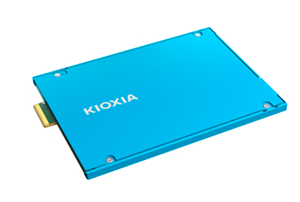
Kioxia is preparing to sample its CXL memory modules, designed to expand usable memory capacity while reducing latency by more than 90% versus conventional approaches. Simulations indicate replacing one-third of DRAM with CXL could limit performance degradation to under 5%, while equivalent-cost configurations could double capacity and improve performance 1.3x. Kioxia also reaffirmed close collaboration with NVIDIA on its CMX architecture for AI inference.
Nexperia and Aurobay Target GaN, SiC Powertrain Innovation
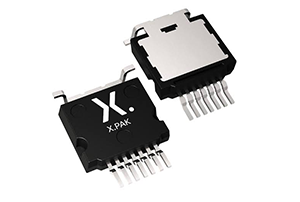
Nexperia and Aurobay Technologies are exploring GaN and SiC semiconductor solutions for next-generation electrified and hybrid powertrains. Building on successful GaN deployment in a range-extender power-generation system, the companies will evaluate traction inverters and power-generation architectures. Their collaboration aims to improve efficiency, power density, system performance, and packaging through early-stage semiconductor co-design and system-level optimization, supporting more compact, high-performance automotive power electronics.

Get biweekly updates to your inbox
More Component Compass news

NVIDIA Acquires Hugging Face to Expand Open AI Ecosystem
NVIDIA is acquiring Hugging Face for $12.9 billion, strengthening its position across the AI software ecosystem. Hugging Face hosts millions of models, datasets, and applications used by more than 18 million developers. The platform will remain open-source and support multiple clouds, frameworks, and computing platforms. The deal gives NVIDIA deeper access to AI developers while expanding its strategy beyond GPUs into models, software, and inference.

IQE Extends Quintessent Agreement Supporting Photonic AI Technologies
IQE has extended its supply agreement with Quintessent, strengthening collaboration around advanced semiconductor materials for photonic applications. The agreement supports Quintessent’s development of integrated laser technologies targeting AI and high-performance computing infrastructure. The partnership highlights growing demand for compound semiconductor materials as optical interconnects become increasingly important for moving data efficiently between processors, memory, and networking systems in next-generation AI data centers.
Infineon and Skeleton Develop Power Solutions for AI Datacenters
Infineon and Skeleton Technologies have signed an MoU to develop high-efficiency power solutions for AI data centers. Their collaboration targets solid-state transformers using Infineon’s CoolSiC power semiconductors and Skeleton’s supercapacitor technology, alongside GaN-based peak-shaving systems. The goal is to increase power density, efficiency, and resilience across the grid-to-core power chain as AI workloads drive rapidly rising electricity demands and increasingly dense data-center infrastructure.
ASML Japan Plans Major Workforce Expansion For Advanced Chips
ASML Japan plans to expand its workforce by nearly 40% by 2030 as demand for advanced semiconductor manufacturing equipment accelerates. The expansion reflects Japan’s growing investment in advanced chip production and ASML’s increasing role in supporting new fabrication capacity. The company’s workforce growth highlights how semiconductor equipment suppliers are scaling operations alongside expanding fabs, particularly as AI and advanced-node technologies drive demand for increasingly sophisticated manufacturing capabilities.
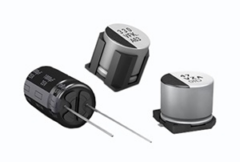
KYOCERA AVX Launches Vibration-Resistant Capacitors For Industry
KYOCERA AVX has introduced AEVA and AEVB aluminum electrolytic capacitors designed for industrial electronics exposed to high vibration and temperature extremes. Their reinforced construction withstands acceleration up to 30g while delivering high capacitance, low ESR, and long endurance. AEVA operates from -55°C to +125°C, with capacitance up to 4,700µF and voltage ratings up to 100V, targeting demanding industrial and power applications requiring greater mechanical reliability.
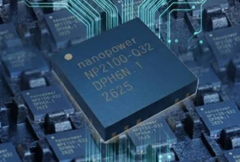
Nanopower Launches Ultra-Low-Power IC For Battery-Constrained IoT
Nanopower has launched the nPZ2100, an ultra-low-power IC designed to manage sensors and peripherals while keeping the main MCU powered down. With just 200nA typical idle current, it can independently control up to six peripherals, reducing unnecessary wake-ups and energy consumption. The device targets wireless IoT sensors, wearables, asset tracking, smart buildings, industrial monitoring, and energy-harvesting applications requiring extended battery life.
Component Compass Timeline
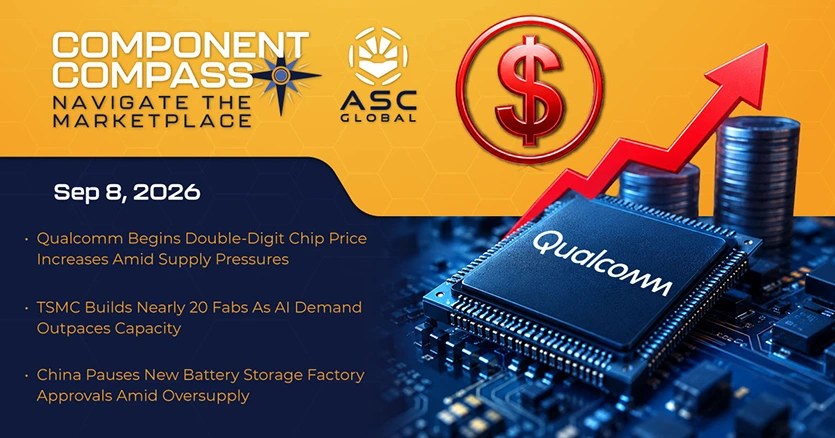
Qualcomm Chip Price Increases Supply Pressures
GlobalWafers Semiconductor Wafer Supply Imbalance
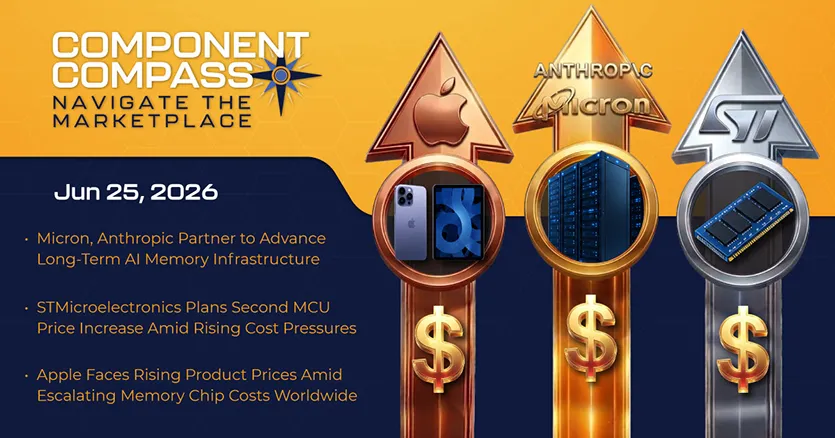
STMicroelectronics MCU Price Hikes, Apple Device Inflation, and Micron–Anthropic AI Memory Supply Shift
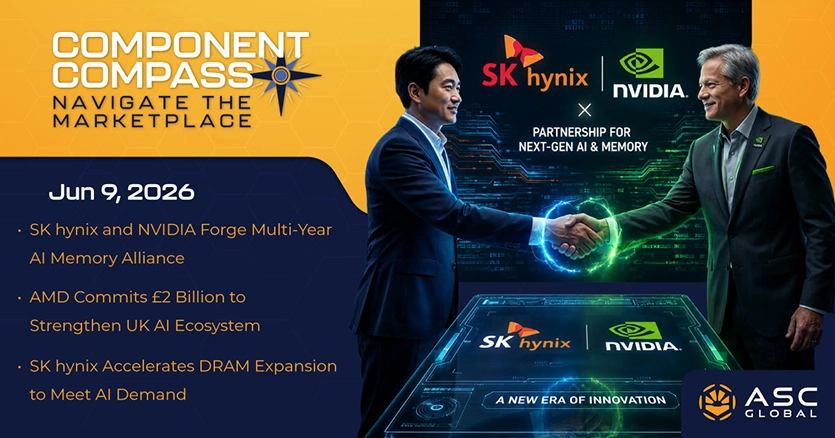
SK hynix and NVIDIA Forge AI Memory Alliance
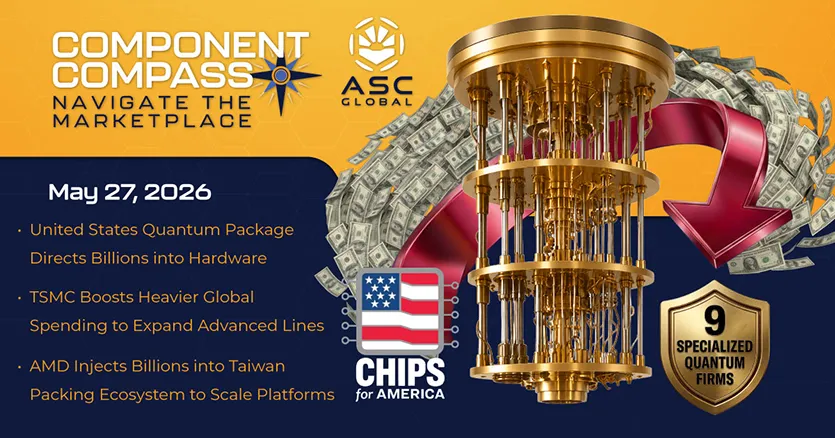
United States Quantum Package Directs Billions
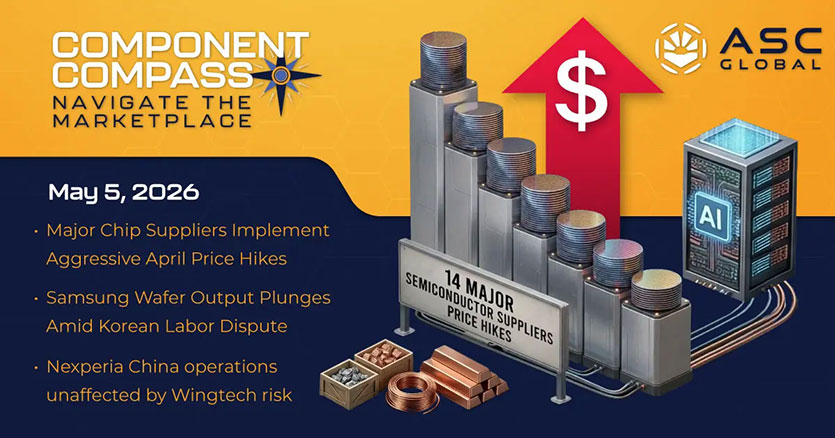
Major Chip Suppliers Implement Aggressive April Price Hikes
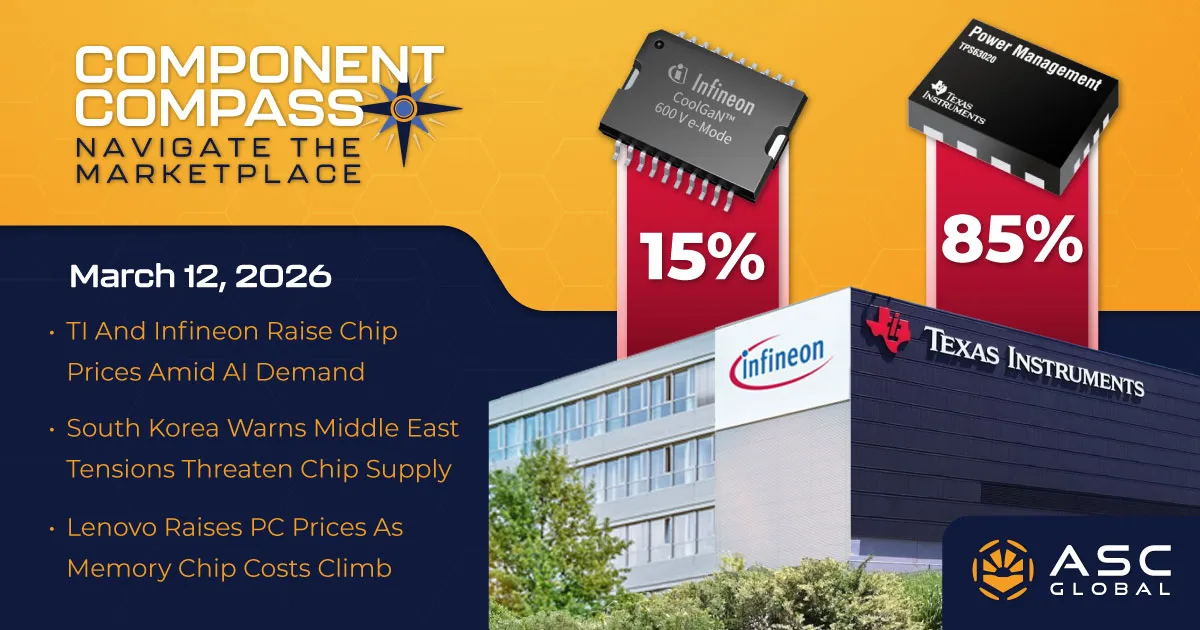
Texas Instruments and Infineon Raise Chip Prices Amid AI Demand
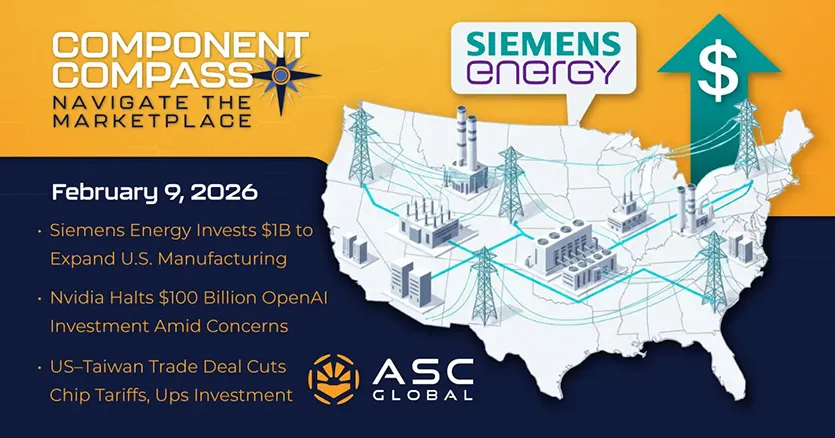
Siemens Energy Invests $1B to Expand U.S. Manufacturing

Nexperia Conflict Deepens Threatening Chip Stability
Market Report

For more news and industry insights dive into our Market Report
INDUSTRY UPDATES
ASC Global brings you with our Component Compass report the latest semiconductor industry findings to provide valuable guidance for maneuvering market intervals. We excel in supply chain strategies that effectively address market volatility.
If any questions or concerns arise, kindly reach out to your Account Manager or our support team at info@ascglobal.com | +1 954 718 2950.