
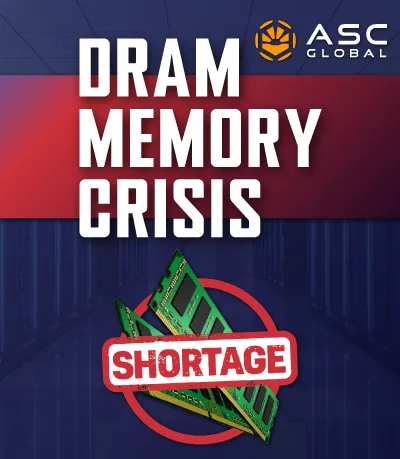
The DRAM Memory Crisis
Apr 13, 2026
The explosive growth of AI data centers requires vast amounts of high-performance memory, particularly high-bandwidth memory (HBM), which is rapidly absorbing global production capacity. As a result, supply that would traditionally support consumer-grade DRAM and NAND is being reallocated toward AI-driven applications.
Industries ranging from smartphones and PCs to industrial systems are already feeling the impact of sustained price pressure across DRAM and NAND.
Global Memory Shortage & Strategic Realignment
As of April 2026, the memory market has transitioned from a severe shortage into a period of extreme price volatility and structural scarcity. While early 2026 projections focused on capacity displacement, current data shows that High Bandwidth Memory (HBM) and Enterprise SSDs have effectively "cannibalized" the production lines of general-purpose DRAM and NAND.
Updated Market Dynamics (Q2 2026)
The supply gap has widened significantly since early 2026 as production for High Bandwidth Memory (HBM) and Enterprise SSDs "cannibalizes" general-purpose DRAM and NAND lines.
-
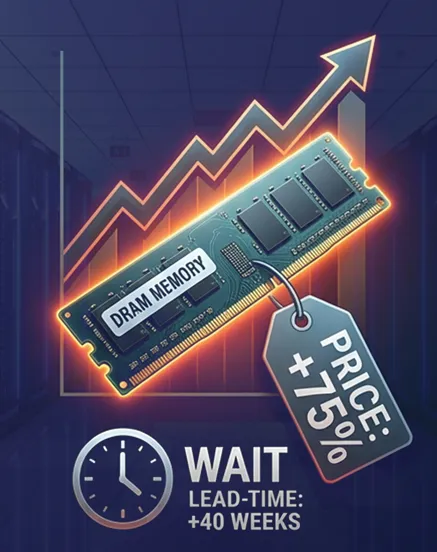
Price Surges: DRAM contract prices are projected to rise 58–63% in Q2 2026, while NAND Flash (SSD) prices may surge by up to 75%.
-
The 70% Inversion: AI data centers are now estimated to consume approximately 70% of high-end DRAM in 2026, leaving minimal supply for industrial and consumer sectors.
-
Extended Lead Times: Procurement teams now face lead times of 40+ weeks for high-density RDIMM and enterprise configurations, with impacts extending into 2027.
Manufacturer Status & Strategy
The "Big Three" have shifted almost exclusively to high-margin AI components:
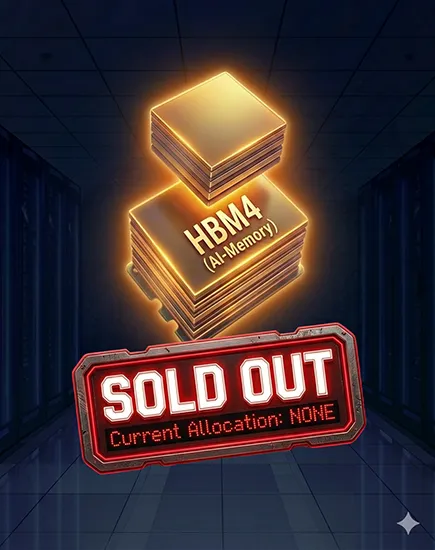
- SK Hynix: Fast-tracking the M15X fab for HBM4; 2026 capacity is already "sold out" as they prioritize hyperscalers.
- Samsung: Accelerating P4 and P5 fab construction with a "profitability-first" approach, leading price hikes in legacy nodes.
- Micron: Acquired Taiwan’s PSMC P5 fab to increase output in 2027; currently focusing on PCIe Gen5 SSDs and HBM4, which is crowding out standard DRAM capacity.
Industrial & Enterprise Impact
The memory crisis is reshaping product lifecycles, accelerating legacy retirements, and forcing smaller OEMs into competition.
- End of Entry-Level PCs: Analysts predict the sub-$500 PC segment will vanish by 2028 because memory now accounts for 23% of the total Bill of Materials (BOM).
- Legacy EOL Acceleration: Manufacturers are retiring DDR4 nodes faster than expected to prioritize HBM4, creating critical shortages for long-lifecycle industrial systems.
- Open-Ended Procurement: Hyperscalers like Google, AWS, and Meta are purchasing all available supply regardless of price, forcing smaller OEMs into volatile "spot market" premiums.
Revised Strategic Recommendations
Procurement leaders are advised to adjust their playbooks for the remainder of 2026:
-
Phase Buying: If not urgent, consider deferring purchases to H2 2026 for potential (though minor) stabilization.
-
Under-Provisioning: Some organizations are acquiring servers at half memory capacity now, planning for upgrades in 2027 to avoid peak Q2 2026 pricing.
-
Frequent Re-Quoting: Due to extreme volatility, any quotes older than 14 days should be considered obsolete.
-
Monitor HBF Transition: Watch for the shift toward High-Pass Filter (HBF) memory, which is further fragmenting supplier resources.
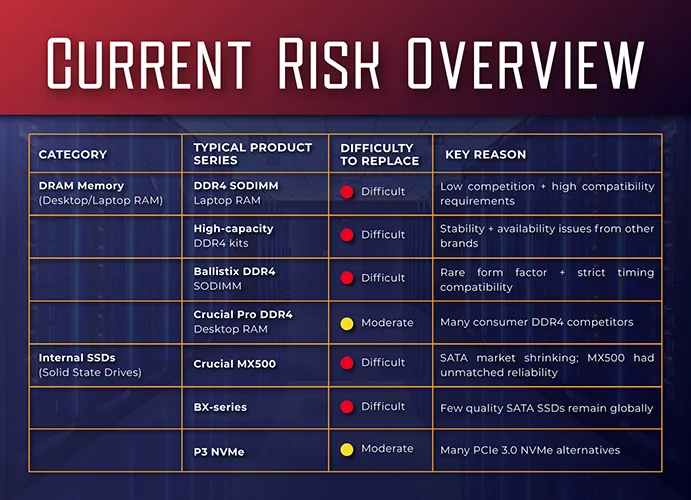
Current Risk Overview
AI Demand Reshapes Global Memory Market
Leading manufacturers such as Samsung Electronics and SK hynix have warned that the current memory upcycle, fueled by constrained supply and surging AI infrastructure demand, could last one to two years before potentially reverting into a downturn. As a result, both companies are deliberately avoiding aggressive capacity expansion, wary of repeating past overinvestment cycles that led to severe financial losses when demand weakened.
Recent market analysis suggests that expectations for near-term price relief may be unrealistic. According to industry forecasts, there is effectively no credible scenario in which memory prices significantly correct by the second half of 2027, reinforcing the likelihood of a sustained high-price environment.
Projections indicate that AI infrastructure could consume up to 70% of global high-end DRAM capacity by 2026, fundamentally reshaping supply dynamics. In response, major producers, including Micron Technology, are prioritizing higher-margin HBM products, further constraining supply for conventional memory markets.
A Massive Structural Shortage (Q1 2026)
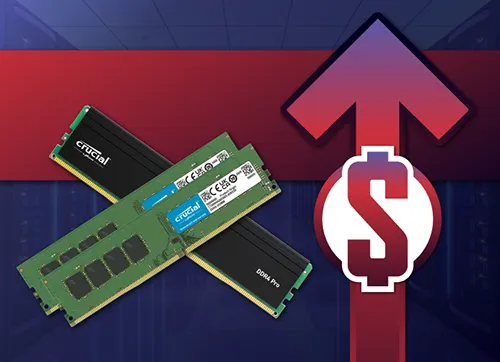
- With Micron abandoning Crucial-branded products by February 2026, the retail market loses the brand that often set the "price floor." This leaves consumers at the mercy of a duopoly (Samsung and SK Hynix) that is already sold out through 2026.
- DRAM inventory levels at suppliers have plummeted from 13-17 weeks in late 2024 to just 2-4 weeks in late 2025.
- AI giants like Microsoft, Google, OpenAI, Alibaba, and ByteDance are placing open-ended, take-all-you-can-produce orders, absorbing supply before it even reaches distributors.
-
The "Bill of Materials" (BoM) for budget phones has surged 20–30%. Manufacturers like Xiaomi and Realme are warning that these costs must be passed to the consumer or absorbed through specification downgrades (e.g., returning to 4GB RAM base models).
- The crisis extends beyond RAM. Tantalum capacitors, essential for power delivery in AI servers, are seeing 15–30% price increases as Panasonic and Yageo prioritize high-margin enterprise orders
- Component distributors in tech hubs like Shenzhen and Tokyo have moved away from monthly price lists. Quotes now expire daily or even hourly, mimicking the volatility of a stock exchange.
-
To combat hoarding, major electronics stores (like those in Akihabara) have begun limiting purchases to 8 products per customer across RAM and SSDs.
Secure your supply: Micron and Samsung Available & Ready to Ship
ASC Global currently has fully inspected, traceable Micron, Samsung, and SK Hynix inventory available for immediate shipment.
If you want us to place temporary holds or provide quotes, send us an email at quote@ascglobal.com or use the quote form linked above.
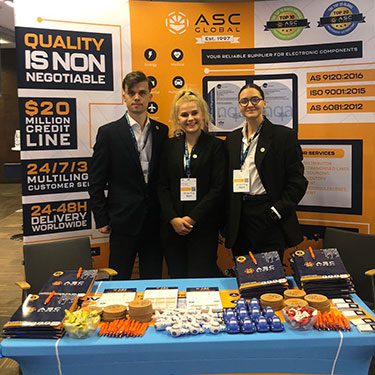
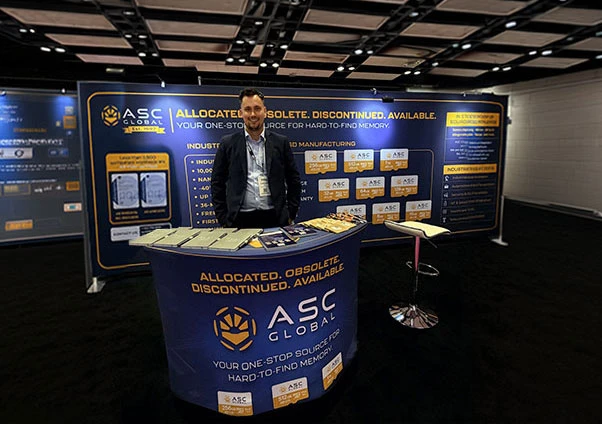
global Tradeshow presence
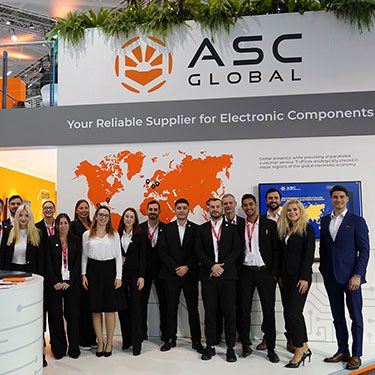
electronica - Germany 2022
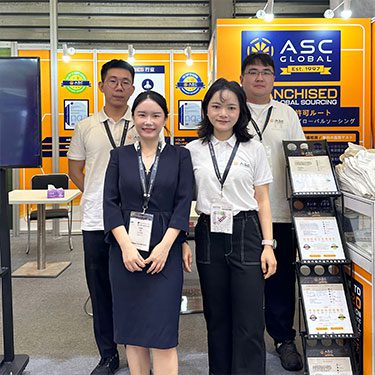
electronica China - Shanghai 2024
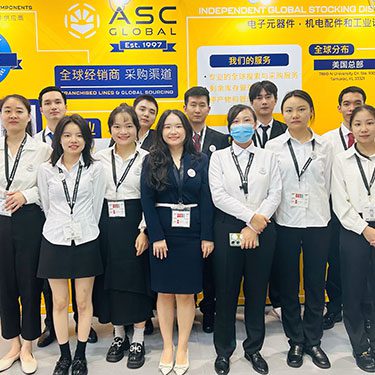
electronica South China - Shenzhen 2024
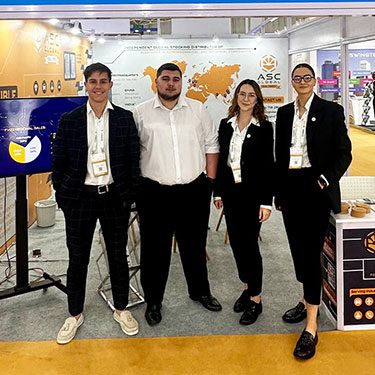
electronica India 2023
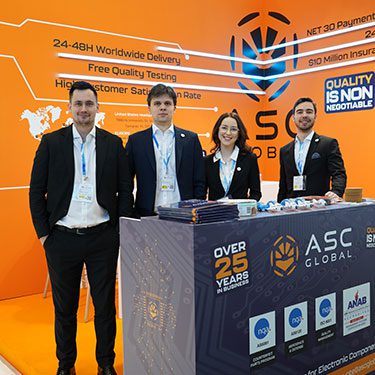
Embedded World - Germany 2022 & 2023
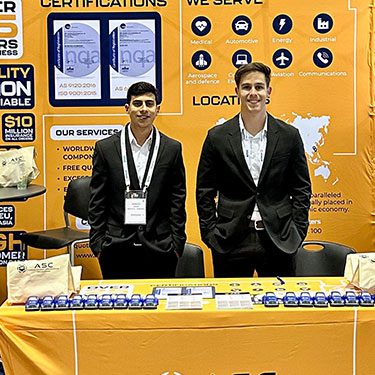
APEC - USA 2023
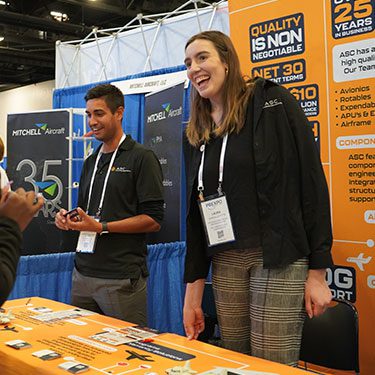
PBExpo - USA 2023
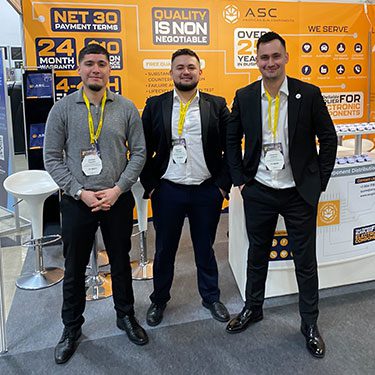
SM&E - UK 2023
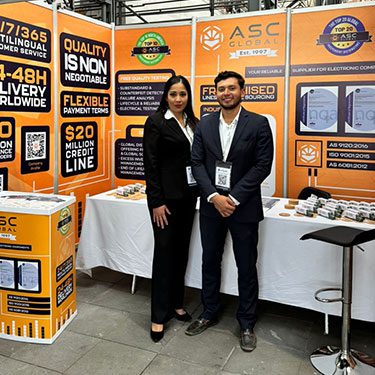
Automotive Meeting - Mexico 2023